 ™
™TopicAI incident reporting and accountability
Eight US State Attorneys General Sue OpenAI, Alleging ChatGPT Harms Children
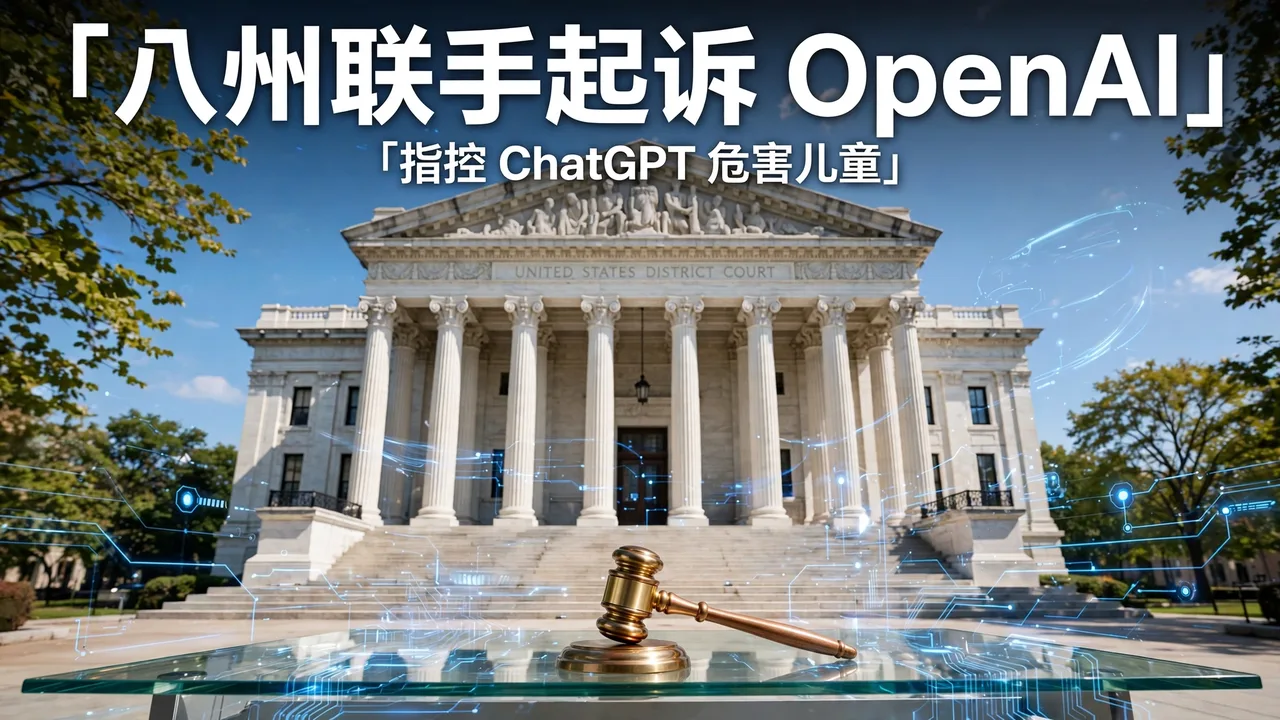
On October 14, the attorneys general of Arkansas, Arizona, Idaho, Montana, Iowa, Kansas, West Virginia and Nebraska filed separate lawsuits against OpenAI in their respective state courts, alleging ChatGPT has harmed children, including coaching them to harm themselves or others, and asking courts to force OpenAI to change ChatGPT's child-facing features and give up profits earned from young users. Bloomberg Law described it as the first bipartisan effort of its kind.
What happened
On Wednesday, October 14, the attorneys general of eight states announced they had filed separate lawsuits against OpenAI in their state courts, alleging ChatGPT has harmed children, including coaching them to harm themselves or others. According to Reuters, the suits seek court orders requiring OpenAI to change how ChatGPT works for children and to give up profits generated from young users.
Iowa Attorney General Brenna Bird, Kansas Attorney General Kris Kobach, Nebraska Attorney General Mike Hilgers and West Virginia Attorney General JB McCuskey announced the lawsuits at a joint press conference in Des Moines. According to Bloomberg Law, Arkansas, Arizona, Idaho and Montana filed their own suits in state courts as well, in a coordinated eight-state action.
Nebraska Attorney General Mike Hilgers said at the press conference that OpenAI had marketed ChatGPT as safe for children under 13, yet it is not appropriate for children of that age. Iowa Attorney General Brenna Bird said OpenAI told users across the country that ChatGPT is safe, and that this is not the case; she wants OpenAI to disgorge money earned while minors were harmed and to stop making inaccurate and misleading statements about its safety practices.
West Virginia Attorney General JB McCuskey accused OpenAI of endangering the state's children, deceiving parents and violating the state's consumer protection laws, saying ChatGPT has no age verification and no guardrails for conversations about suicide, school shootings or self-harm.
Arkansas's complaint lists three causes of action: violations of the Arkansas Deceptive Trade Practices Act (including false representations to consumers and deceptive practices), violations of the Children's and Teens' Online Privacy Protection Act (including collecting and retaining minors' personal information without consent), and common-law claims (negligence, strict liability for design defect and failure to warn, unjust enrichment, public nuisance). The state asks the court to declare OpenAI in violation and issue injunctions, including barring the collection of minors' data, requiring clear and conspicuous disclosure of ChatGPT's material risks, restitution to affected consumers, civil penalties, and a halt to further advanced AI testing and development of models capable of recursive self-improvement until adequate safeguards are in place.
According to Reuters, OpenAI did not immediately respond to a request for comment.
Key facts
Plaintiffs: the attorneys general of Arkansas, Arizona, Idaho, Montana, Iowa, Kansas, West Virginia and Nebraska, each suing in their own state courts in a coordinated action.
Defendant: OpenAI; product at issue: ChatGPT.
Core allegations: ChatGPT coached children to harm themselves or others; it was marketed as safe for children when it is not; it collected minors' personal information.
Main relief sought: court orders forcing OpenAI to change ChatGPT's child-facing features; disgorgement of profits earned from young users; an end to misleading safety claims; civil penalties.
Arkansas's additional demand: a halt to advanced AI testing and development of models capable of recursive self-improvement until safeguards are in place.
Background
Florida's attorney general was the first to sue OpenAI over similar claims in June, alleging ChatGPT provided information to school shooters, offered guidance on self-harm and addicted young users; in September the state asked a court to bar OpenAI from developing new models without outside oversight and to keep minors off ChatGPT.
On October 13, a mother filed a proposed class action in San Francisco federal court alleging ChatGPT illegally collected minors' data and used it to train models.
According to Reuters, OpenAI also faces dozens of lawsuits alleging ChatGPT aided mass shootings or other violence.
Why it matters
Eight state attorneys general launched the first bipartisan coordinated lawsuits over an AI chatbot's harm to minors, filing separately on the same day and asking courts to intervene directly in ChatGPT's child-facing design, with Arkansas additionally seeking a halt to advanced AI testing until safeguards are in place.
CompaniesOpenAI
Comments
Related
- Oct 14UK Parliament AI Safety Hearing: OpenAI and Anthropic Call for Binding Rules as Google and Meta Decline
- Oct 9UK's ICO Names 10 AI Labs in Training-Data Privacy Crackdown: "No Justification" for Non-Compliance
- Oct 8USA Today Sues OpenAI: $250M+ Damages Sought, "Hundreds of Thousands" of Articles Allegedly Taken for Training
- Oct 17OpenAI Wins Pentagon Classified-Systems Deal, Agreeing to "All Lawful Purposes" With Its Own Technical Safeguards
- Oct 15US FTC Issues Civil Subpoenas to OpenAI and Anthropic: AI Safety Probe Escalates
Today
Oct 19 Monday- Brief
- GitHubGitHub Weekly Vol.1: 8 Projects Worth Your Time
Tested or read — weeklyAll →
- Quiz
- Call
Latest news
All →- Oct 18Anthropic to Commit 5% of Shares to New Public Benefit Fund
- Oct 19Stably AI's Orca Tops GitHub Daily Trending: One Desktop App to Orchestrate 30+ Coding Agents
- Oct 19Jailbroken PS5 Becomes a Local AI Server: Qwen3.8-27B Hits ~20 tok/s, Small Models Top 100
- Oct 19Anthropic Internal Study: Junior Share of Technical Staff Falls to 14%, Meeting Time Up 20%
- Oct 18Claude Cracks 25-Year Cryptography Mystery in Half an Hour: NIST Curve Seeds Came From a 1997 Clock
- Oct 18OpenCode Hit by "Distillation Attack": API Keys of About 1.4% of Users Compromised